
Brain Computer Interface Breakthrough
Understanding how a brain computer interface breakthrough functions is essential for modern technology observers, healthcare professionals, and neuroscience advocates tracking the rapid convergence of neurotechnology and artificial intelligence. For decades, individuals living with complete motor paralysis, spinal cord injuries, or amyotrophic lateral sclerosis (ALS) faced insurmountable barriers to communicating with the physical world. Point-of-care neuroprosthetic tools—commonly known as Brain-Computer Interfaces (BCI)—bridge this gap by establishing direct, bidirectional digital communication channels between cerebral neural circuits and external computational devices. Rather than relying on damaged peripheral nerves or muscular pathways, advanced neural interfaces record microscopic electrical action potentials, translate intentional thought patterns into software commands, and execute digital tasks seamlessly. This comprehensive technical guide analyzes the latest human clinical trial milestones, evaluates neural implant safety, compares invasive versus non-invasive modalities, and outlines the long-term clinical roadmap for brain computer interface technology.
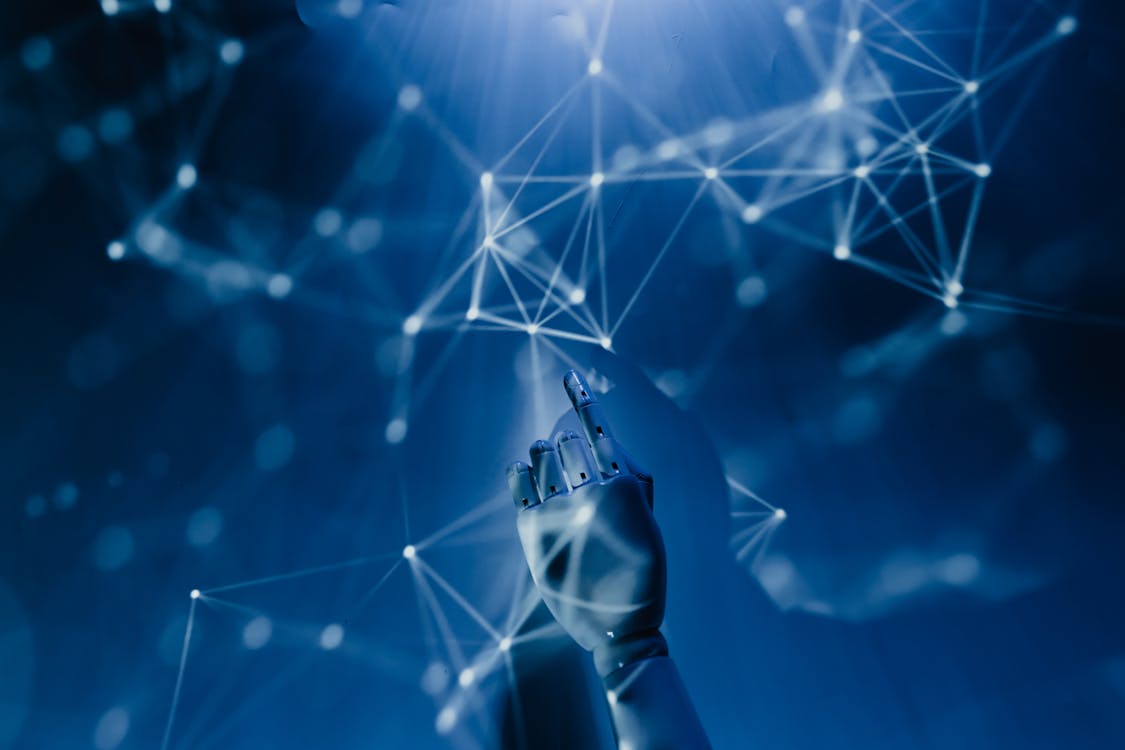
Analyzing brain-computer interface breakthroughs, intracortical neural decoders, and human clinical trial milestones.
⚡ Executive Summary | Quick Takeaways:
- Direct Thought-to-Action Translation: Modern brain-computer interfaces record real-time firing of individual motor cortex neurons, enabling paralyzed individuals to control digital cursors, video games, CAD design tools, and robotic limbs through thought alone.
- Breakthrough Human Clinical Milestones: High-profile FDA-authorized clinical trials—including Neuralink's PRIME study and Synchron's COMMAND trial—have demonstrated safe surgical integration, multi-month signal stability, and fluent communication rates exceeding 30 words per minute.
- Invasive vs. Endovascular Approaches: Intracortical microelectrode arrays provide extraordinary high-bandwidth neural telemetry but require neurosurgery, while endovascular stent-based electrodes access the motor cortex through the jugular vein without opening the skull.
Navigating modern neurotechnology requires objective scientific analysis rather than science-fiction speculation. While viral videos of clinical trial participants playing digital chess or controlling prosthetic arms inspire global excitement, translating laboratory prototypes into permanent therapeutic medical devices demands rigorous bioengineering. By understanding how neural decoding algorithms operate, evaluating foreign-body tissue responses, and recognizing evolving neuro-privacy regulations, patients and industry observers can evaluate neurotechnological progress with scientific clarity.
Understanding Neurotech Goals | BCI Clinical Planning Checklist
Before considering participation in investigational device exemption (IDE) clinical trials or evaluating neurotechnological interventions for neurological recovery, patients and clinical caregivers must assess how neural prostheses align with functional rehabilitation goals. Evaluating surgical invasiveness, battery charging protocols, and long-term electrode stability ensures you select appropriate medical interventions. Whether you are tracking assistive communication technology for locked-in syndrome or assessing motor restoration following spinal trauma, setting rigorous evaluation criteria protects patient safety. Follow these clinical steps to assess brain-computer interface options.
- Audit specific functional impairment levels: Determine whether clinical goals focus on digital communication (typing and cursor control), motor prosthetics (robotic limb manipulation), or speech synthesis.
- Verify FDA Investigational Device Exemption status: Confirm that any human BCI trial holds an active, authorized IDE from the U.S. Food and Drug Administration to ensure compliance with human research standards.
- Review electrode insertion depth and surgical approach: Differentiate between open-craniotomy intracortical arrays (such as the Utah array or Neuralink N1) and minimally invasive endovascular catheter implants (such as Synchron Stentrode).
- Assess telemetry bandwidth and latency metrics: Examine channel count (ranging from 16 to over 1,024 recording electrodes) and wireless transmission speeds to verify real-time responsive cursor movement.
- Check explantability and revision protocols: Verify surgical procedures for device maintenance, electrode replacement, or safe explantation should technical failure or localized inflammation occur.
- Evaluate daily calibration and software maintenance: Review how frequently machine learning decoders require recalibration to adjust for minor brain micromotion and neural plasticity shifts.
- Scrutinize neural data privacy agreements: Confirm how patient brainwave telemetry is stored, encrypted, and governed to ensure raw cognitive data remains secure from commercial exploitation.
In short, structured clinical evaluation prevents unrealistic expectations. Evaluating certified trial protocols and bioengineering specifications ensures that emerging neurotechnologies deliver genuine therapeutic independence while safeguarding patient health.
What Is a Brain-Computer Interface? | How Neural Decoding Works
Patients, physicians, and tech innovators frequently ask: What is a brain-computer interface, and how does a brain-computer interface work? A brain-computer interface is an integrated hardware and software communication architecture that captures cerebral electrophysiological signals, decodes the user's intended physical or digital action using artificial intelligence models, and translates those neural impulses into device commands without requiring muscular intervention. Research into neuroprosthetics is heavily supported through the National Institutes of Health (NIH) BRAIN Initiative.
Understanding the step-by-step scientific mechanics behind brain computer interface breakthrough systems includes:
- 1. Neural Signal Generation: When an individual visualizes moving their hand or speaking a word, pyramidal neurons located within the primary motor cortex ($M1$) fire coordinated electrical action potentials across synaptic junctions.
- 2. Microscopic Signal Acquisition: Micron-scale flexible electrode threads (inserted precisely by robotic surgical tools) or endovascular contact sensors detect extracellular field potentials and voltage fluctuations from surrounding neural tissue.
- 3. On-Chip Amplification and Filtering: An implanted biometric application-specific integrated circuit (ASIC) amplifies microscopic microvolt signals, digitizes analog waveforms, and filters out biological noise (such as heartbeats and muscle twitches).
- 4. High-Speed Wireless Telemetry: Encrypted digital data packets transmit through inductive radio-frequency (RF) or Bluetooth links through the intact scalp to external processing units, eliminating transcutaneous wires that invite infection.
- 5. Algorithmic Feature Extraction: External neural processors extract key frequency metrics—such as local field potentials (LFP), spike firing rates, and high-gamma band power—that correlate strongly with intentional motor effort.
- 6. AI-Driven Intent Decoding: Recurrent neural networks (RNNs) and deep learning Kalman filters continuously map extracted neural firing patterns against spatial coordinates, predicting cursor velocity or phoneme sequences in real time.
- 7. Device Command Execution: The decoded kinematic intention translates into digital HID (Human Interface Device) actions, directing desktop cursors, motorized wheelchairs, robotic prosthetic hands, or digital voice synthesizers.
- 8. Closed-Loop Sensory Feedback: Modern bidirectional BCIs deliver artificial sensory information back to the somatosensory cortex ($S1$) via microstimulation, restoring tactile sensations of touch and pressure to prosthetic users.
Understanding these engineering stages explains how modern neural prostheses translate faint electrical brain activity into instantaneous digital command execution.
Do Brain Implants Pose Health Risks? | Biocompatibility and Longevity
Surgeons, bioethicists, and prospective patients regularly ask: Are brain-computer interfaces safe for humans? and How long can a neural implant remain functional inside the brain?
While the prospect of restoring mobility to paralyzed limbs represents a profound medical triumph, placing permanent electronic hardware inside the central nervous system introduces complex biological and engineering challenges. The human brain is a warm, saline, mechanically dynamic environment that actively defends itself against foreign objects. Comprehensive medical device safety guidelines are enforced by the U.S. Food and Drug Administration (FDA).
While the prospect of restoring mobility to paralyzed limbs represents a profound medical triumph, placing permanent electronic hardware inside the central nervous system introduces complex biological and engineering challenges. The human brain is a warm, saline, mechanically dynamic environment that actively defends itself against foreign objects. Comprehensive medical device safety guidelines are enforced by the U.S. Food and Drug Administration (FDA).
Evaluating how neural interface hardware influences patient safety includes understanding these key biological factors:
- Glial Scarring and Encapsulation: Implantation triggers a localized neuroinflammatory cascade where activated microglia and astrocytes form an insulating glial scar around electrode tips, which can attenuate electrical signal recording over time.
- Brain Micromotion and Thread Retraction: Because the brain pulsates continuously with blood flow and respiratory cycles, rigid silicon needles can cause localized shearing trauma; modern ultra-flexible polyimide threads flex naturally with cortical tissue to minimize strain.
- Electrochemical Corrosion and Hermetic Sealing: Cerebrospinal fluid contains corrosive saline ions; microchips must be encapsulated inside laser-welded titanium casings or biocompatible silicon carbide to prevent moisture leakage.
- Infection and Meningitis Prevention: Wireless transcutaneous induction eliminates permanent transcutaneous percutaneous pedestals, dramatically reducing the historical risk of intracranial infection and cerebrospinal fluid leaks.
- Thermal Dissipation Limits: Implanted computational electronics generate thermal dissipation; medical standards mandate that cortical implants must never elevate adjacent brain tissue temperatures by more than 1°C to avoid cellular thermal damage.
- Endovascular Thrombosis Monitoring: Catheter-delivered BCIs positioned within the superior sagittal sinus must prove long-term vascular patency, ensuring the metallic stent does not promote blood clots or restrict venous return.
- Demonstrated Multi-Year Signal Stability: Longitudinal clinical data from human academic trials confirm that modern passivated electrodes can maintain robust neural action potential recording for over five years without clinical complications.
Reviewing these biological defense mechanisms and engineering solutions ensures you understand how advanced materials science is overcoming chronic biocompatibility hurdles.
Invasive vs. Non-Invasive BCI | Neurotechnology Pros and Cons
Comparing intracortical neural implants against non-invasive external sensor caps helps clinicians and consumers evaluate performance capabilities, surgical trade-offs, and accessibility.
When clinicians ask, Are invasive brain-computer interfaces better than non-invasive EEG headsets?, the answer depends on the bandwidth and dexterity required by the specific application:
Invasive Intracortical BCI Advantages (Pros):
1. Unmatched High-Bandwidth Resolution: Implanted microelectrodes directly record action potentials from individual neurons, achieving rapid typing speeds (up to 90 characters per minute) and smooth multidimensional cursor navigation.
2. Immunity to Muscular and Environmental Artifacts: Direct cortical placement eliminates the massive electrical interference caused by eye blinks, jaw clenching, and external radio frequencies.
3. Fully Integrated Wireless Ergonomics: Modern subcutaneous implants sit flush with the skull under the scalp, allowing invisible, continuous 24/7 digital control without cumbersome headgear.
Invasive Intracortical BCI Disadvantages (Cons):
1. Surgical Craniotomy Risks: Implantation requires neurosurgery, carrying standard procedural risks of hemorrhage, localized tissue trauma, and anesthetic complications.
2. Challenging Explantation or Hardware Upgrades: Removing or upgrading deeply integrated intracortical arrays involves secondary surgical intervention.
3. Substantial Healthcare Costs: Surgical implantation, robotic guidance, and custom neurorehabilitation training require significant financial resources and specialized clinical centers.
Clinical Safety & Neuroethics Oversight:
As brain-computer interfaces expand from clinical restoration into potential cognitive augmentation, ethical safeguards become paramount.
In clinical neuroscience contexts, ethicists frequently ask: how do regulatory agencies protect patient cognitive liberty and neural data? Peer-reviewed neuroethical research indexed by the National Library of Medicine (PMC) emphasizes that neural data reflects subconscious cognitive processing, emotional states, and unspoken thoughts. Establishing robust cryptographic encryption and strict legal frameworks around "neuro-rights" ensures that neural interfaces empower disabled individuals without exposing personal cognitive agency to commercial surveillance.
When clinicians ask, Are invasive brain-computer interfaces better than non-invasive EEG headsets?, the answer depends on the bandwidth and dexterity required by the specific application:
Invasive Intracortical BCI Advantages (Pros):
1. Unmatched High-Bandwidth Resolution: Implanted microelectrodes directly record action potentials from individual neurons, achieving rapid typing speeds (up to 90 characters per minute) and smooth multidimensional cursor navigation.
2. Immunity to Muscular and Environmental Artifacts: Direct cortical placement eliminates the massive electrical interference caused by eye blinks, jaw clenching, and external radio frequencies.
3. Fully Integrated Wireless Ergonomics: Modern subcutaneous implants sit flush with the skull under the scalp, allowing invisible, continuous 24/7 digital control without cumbersome headgear.
Invasive Intracortical BCI Disadvantages (Cons):
1. Surgical Craniotomy Risks: Implantation requires neurosurgery, carrying standard procedural risks of hemorrhage, localized tissue trauma, and anesthetic complications.
2. Challenging Explantation or Hardware Upgrades: Removing or upgrading deeply integrated intracortical arrays involves secondary surgical intervention.
3. Substantial Healthcare Costs: Surgical implantation, robotic guidance, and custom neurorehabilitation training require significant financial resources and specialized clinical centers.
Clinical Safety & Neuroethics Oversight:
As brain-computer interfaces expand from clinical restoration into potential cognitive augmentation, ethical safeguards become paramount.
In clinical neuroscience contexts, ethicists frequently ask: how do regulatory agencies protect patient cognitive liberty and neural data? Peer-reviewed neuroethical research indexed by the National Library of Medicine (PMC) emphasizes that neural data reflects subconscious cognitive processing, emotional states, and unspoken thoughts. Establishing robust cryptographic encryption and strict legal frameworks around "neuro-rights" ensures that neural interfaces empower disabled individuals without exposing personal cognitive agency to commercial surveillance.
Brain-Computer Interface Modalities | Comprehensive Comparison Table
Comparing major BCI modalities helps researchers and patients evaluate signal resolution, surgical invasiveness, and clinical readiness. The following structured table breaks down the leading neurotechnologies.
| BCI Modality / Architecture | Sensor Placement Location | Signal Resolution & Bandwidth | Surgical Invasiveness | Primary Clinical Application |
|---|---|---|---|---|
| Intracortical Arrays (Neuralink / Utah) | Penetrating into motor cortex gray matter | Maximum (Single-unit action potentials) | High (Craniotomy & robotic thread insertion) | High-speed digital typing, gaming, complex robotics |
| Endovascular Stentrode (Synchron) | Inside blood vessels adjacent to motor cortex | Moderate to High (Local field potentials) | Low (Minimally invasive jugular vein catheter) | Hands-free digital messaging, email, home automation |
| Electrocorticography (ECoG) | Resting on surface of dura or cerebral cortex | High (Subdural local field potentials) | Moderate to High (Craniotomy required) | Speech decoding, motor decoding, epilepsy mapping |
| Electroencephalography (EEG) | Non-invasive scalp surface electrodes | Low (Diffused through skull and scalp) | Zero (External wearable cap or headband) | Neurofeedback, basic speller systems, sleep tracking |
| Functional Near-Infrared (fNIRS) | External optical sensors on scalp | Low to Moderate (Hemodynamic blood oxygen) | Zero (Wearable optical light emitters) | Cognitive workload monitoring, stroke rehabilitation |
Follow these practical rules when tracking neural interface developments:
- Scrutinize peer-reviewed medical publications over sensational corporate social media announcements.👈
- Distinguish clearly between basic non-invasive EEG headsets and high-bandwidth intracortical implants.👈
- Track verified bits-per-second (BPS) information transfer rates rather than anecdotal demo videos.👈
- Confirm that clinical trials report longitudinal safety data beyond six months of continuous implantation.👈
- Support legislation establishing neuro-privacy protections for human electrophysiological data.👈
- Consult multidisciplinary clinical neurology teams when evaluating neuroprosthetic trial eligibility.👈
Following these practical guidelines ensures you evaluate neurotech breakthroughs objectively based on verified clinical outcomes.
FDA Medical Device Regulations | Neural Data Privacy Protections
Understanding evolving federal medical regulations and emerging neuro-rights legislation clarifies how governments balance patient safety with life-saving innovation.
Key regulatory considerations include:
Key regulatory considerations include:
- FDA Breakthrough Devices Designation: Expediting regulatory review for novel BCIs intended to treat life-threatening or irreversibly debilitating conditions like quadriparesis and locked-in syndrome.
- Rigorous Biocompatibility Standards (ISO 10993): Mandating exhaustive in vitro and in vivo testing for cytotoxicity, genotoxicity, and chronic foreign-body tissue reactions before human trials commence.
- Cybersecurity and Wireless Encryption Mandates: Requiring medical-grade cryptographic handshakes to prevent malicious actors from intercepting or tampering with wireless telemetry transmissions.
- State-Level Neuro-Privacy Statutes: Pioneering legislation (such as Colorado's landmark neuro-privacy law) expanding consumer privacy protections to legally safeguard biological neural data.
- Informed Consent and Explantation Protocols: Ensuring that clinical trial participants receive comprehensive disclosures regarding potential device failure, tissue encapsulation, and surgical retrieval options.
- Closed-Loop Autonomous Ethics Frameworks: Establishing international medical boundaries to ensure AI decoders cannot initiate physical actions without conscious patient confirmation.
Key Takeaway: Managing the neurotechnological frontier responsibly—balancing rapid AI decoding innovations with strict biocompatibility testing and neural privacy protections—ensures these devices restore functional independence safely.
Action Plan: Navigating Neurotechnology | Clinical Roadmap
Navigating the emerging neurotechnology landscape requires executing an informed, evidence-based approach to clinical trials and assistive hardware adoption.
- Consult with board-certified neurosurgeons and physical rehabilitation specialists to explore existing assistive tech.
- Review the official ClinicalTrials.gov national registry to track recruiting status for authorized human BCI studies.
- Evaluate patient support systems and caregiver requirements necessary for daily BCI calibration and training.
- Participate in patient advocacy organizations like the Christopher & Dana Reeve Foundation for clinical trial guidance.
- Follow peer-reviewed neuroscience publications to separate proven clinical gains from corporate marketing claims.
- Advocate for public insurance and private healthcare coverage frameworks for restorative neural prosthetics.
Neurotech Principle: Medical technology reaches its highest purpose when it restores human dignity. Treat neural prostheses as powerful restorative instruments, demand rigorous clinical proof, and champion ethical stewardship over the human mind.
Approaching neurotechnological breakthroughs with clear clinical facts ensures you comprehend transformative medical innovations while safeguarding personal autonomy.
Fact Check & Sources: Verified via official neurotechnology clinical data on FDA Breakthrough Devices Program, National Institutes of Health (NIH / BRAIN Initiative) reports, and peer-reviewed clinical trial publications in the National Library of Medicine.
Conclusion | Key Takeaways ✅: Understanding a brain computer interface breakthrough empowers patients, families, and technology professionals to appreciate the profound scientific paradigm shift unfolding across neurorehabilitation. By translating biological action potentials into instantaneous digital control through advanced machine learning decoders, modern BCIs are breaking the chains of physical paralysis. As robotic surgical precision improves, endovascular catheter access matures, and international regulatory frameworks solidify, brain-computer interfaces will transition from experimental clinical miracles into standard restorative medical care.
Always consult medical specialists before considering investigational neurotechnologies, verify clinical trial authorizations through official FDA registries, and rely on accredited scientific evidence to navigate the future of human-machine interfaces.


